data scientist | applied statistics & machine learning
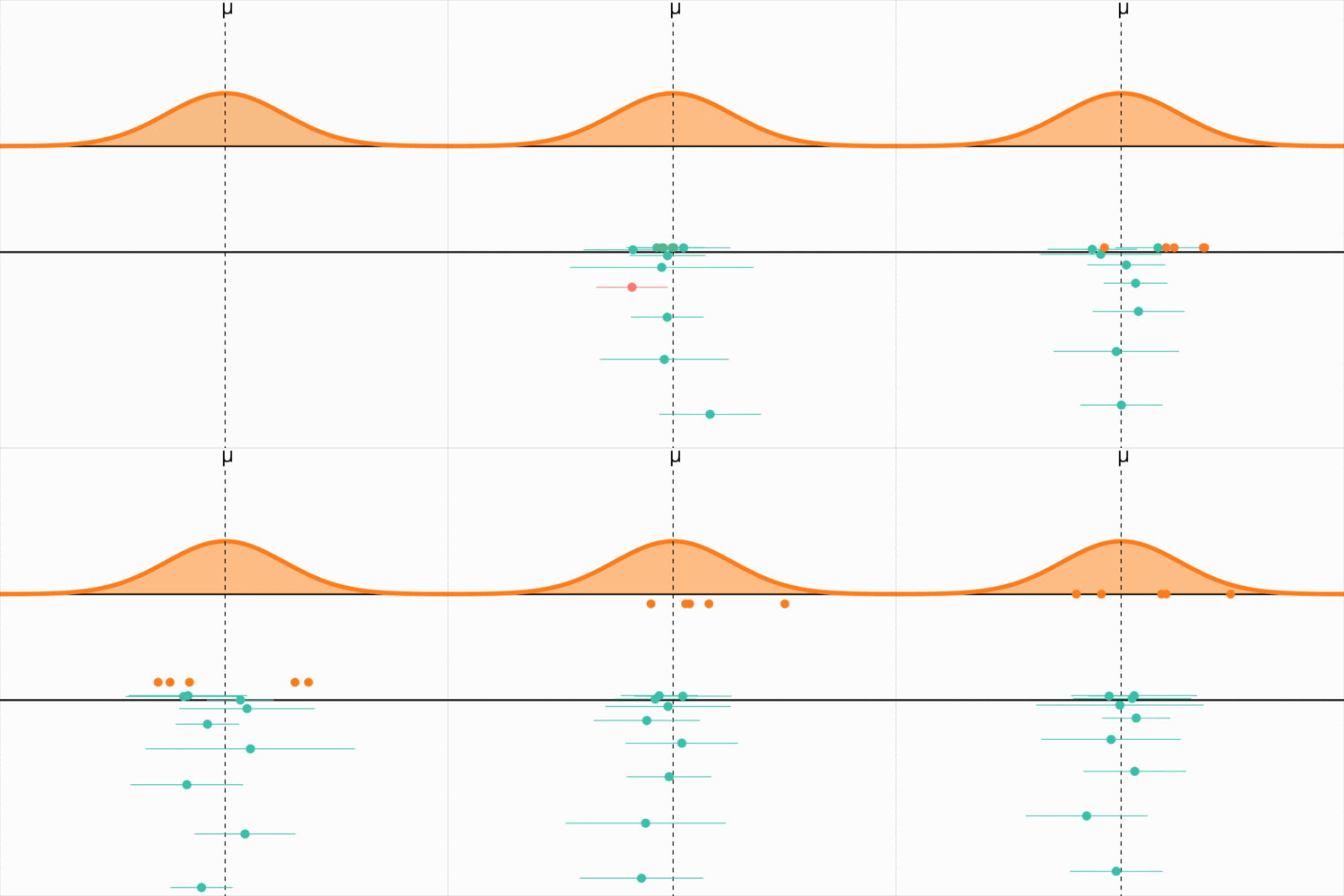
AP Statistics
Learning Platform
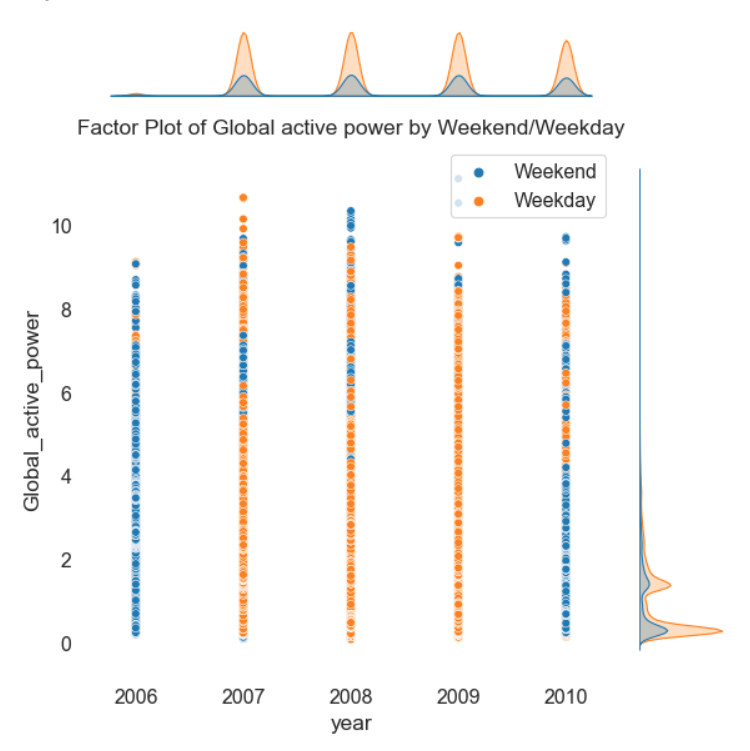
Worldwide Power Consumption
LSTM Prediction
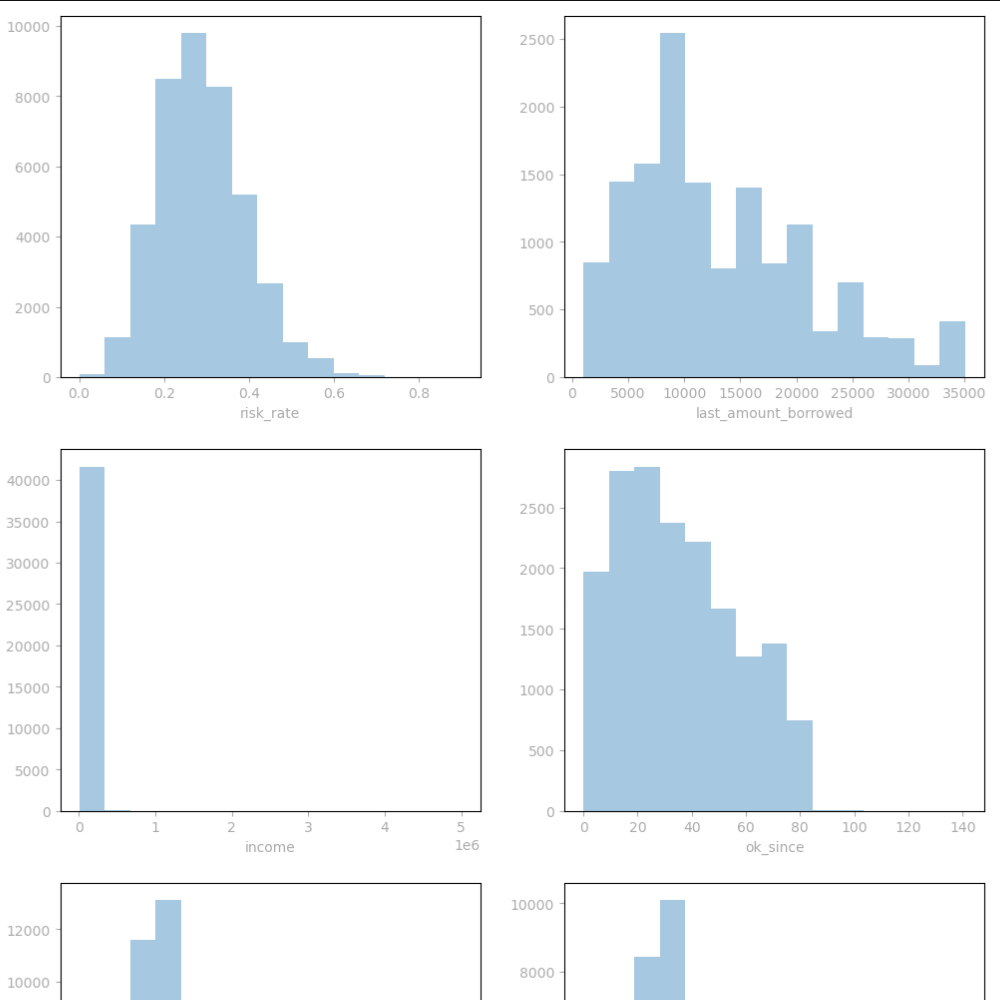
Credit Risk Modeling
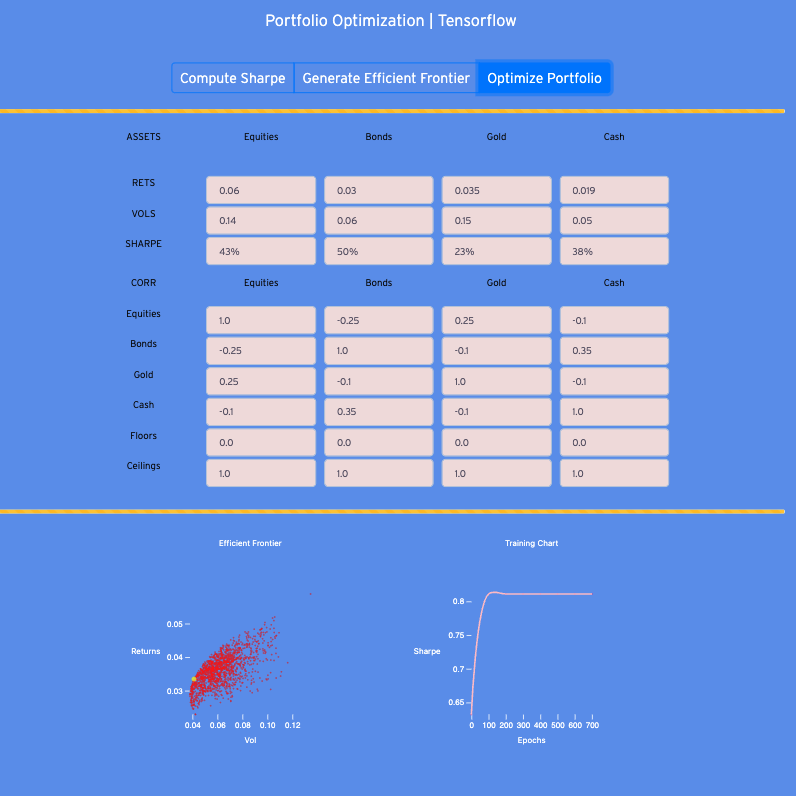
Portfolio Optimization with
TensorFlow and D3
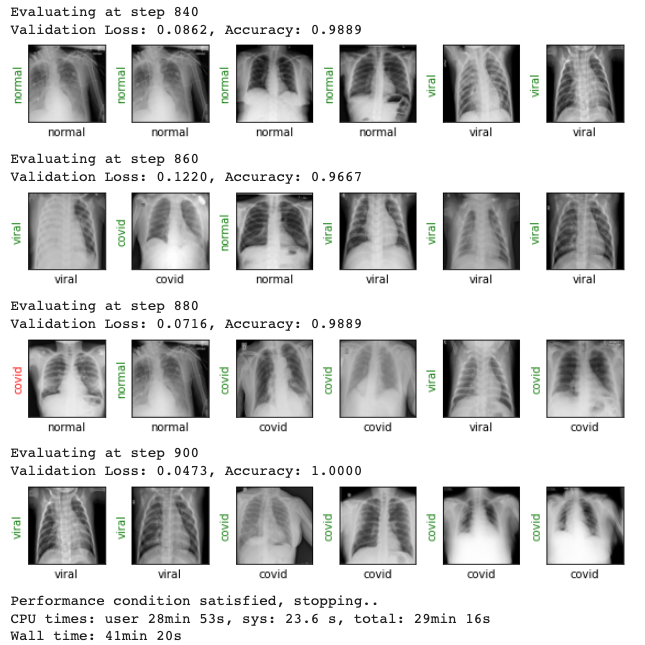
Covid and Pneumonia
Chest X-ray
Multi-Classification
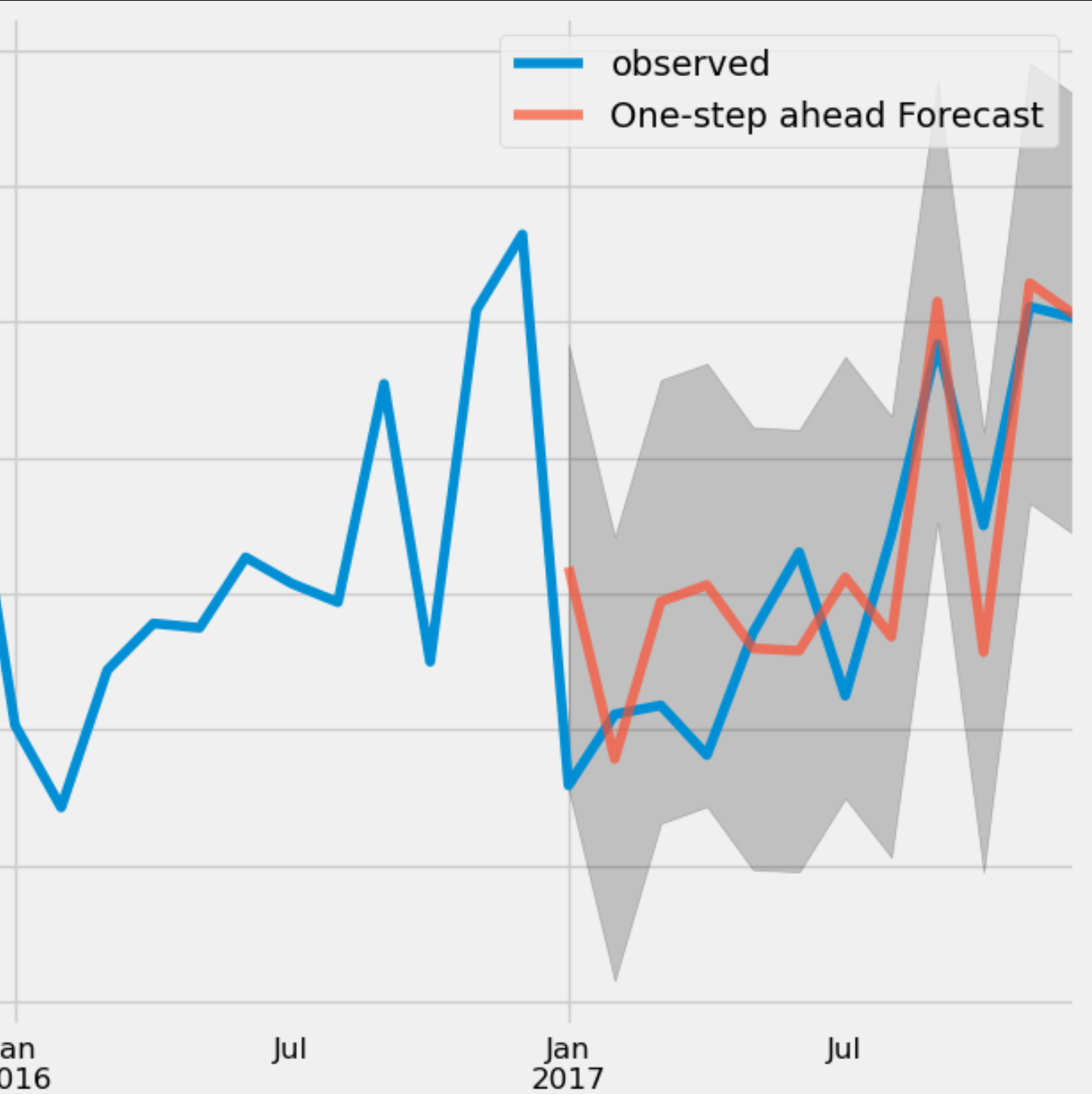
Forecasting Sales
ARIMA to Facebook Prophet
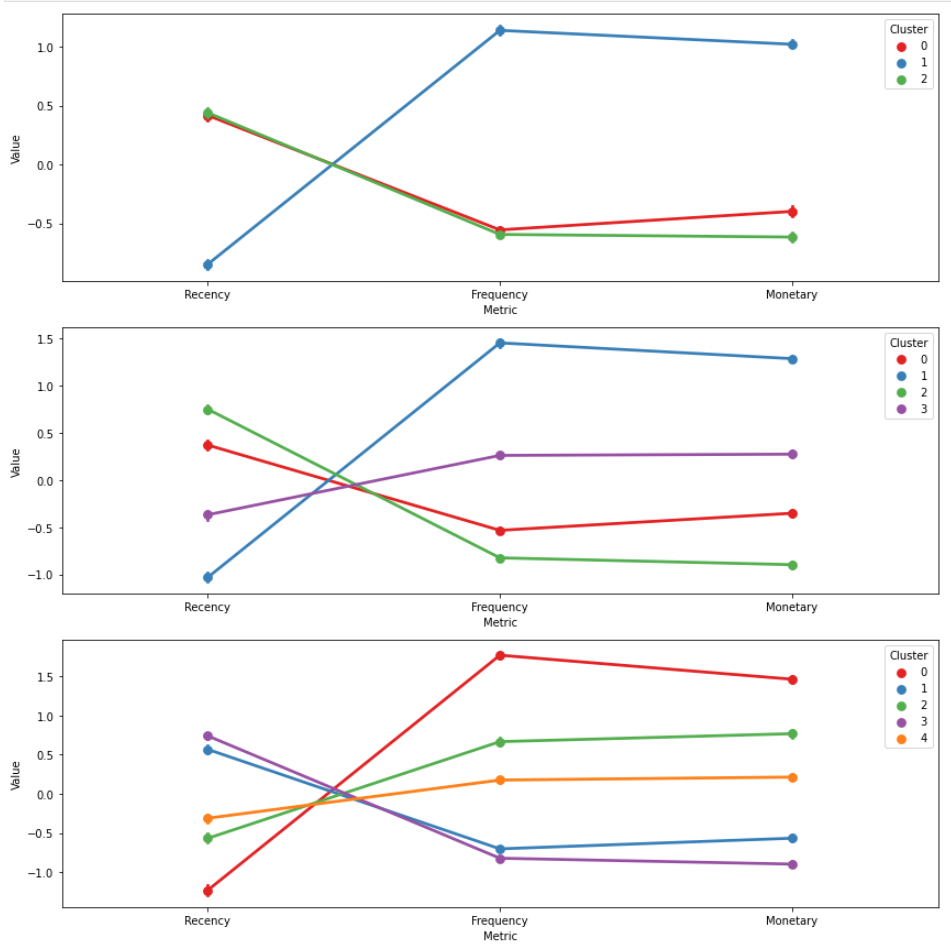
Super Store
Segmentation and RFM Analysis using Kmeans
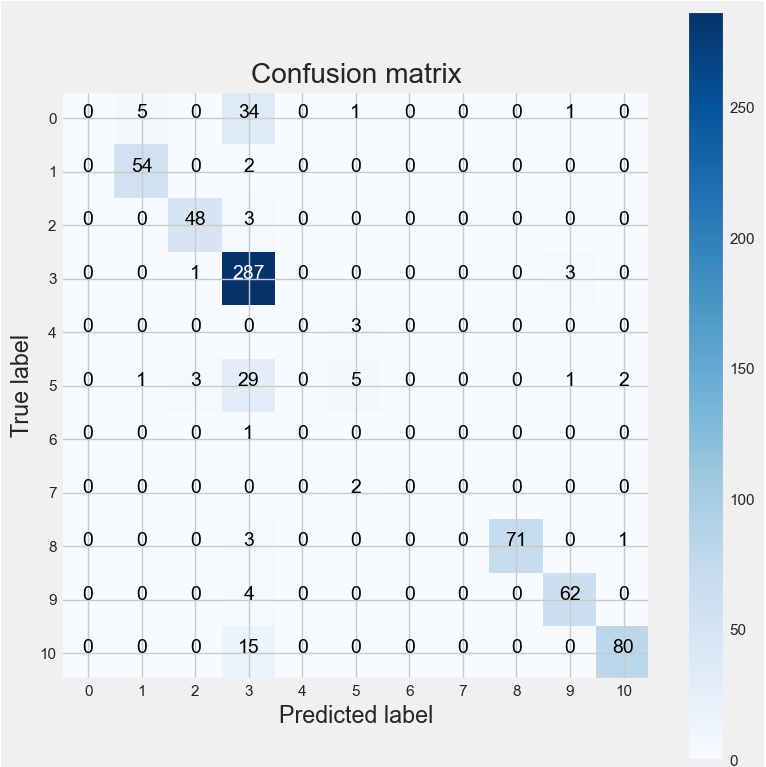
Segmentation Revisited: Keyword Extraction to Ensemble Voting
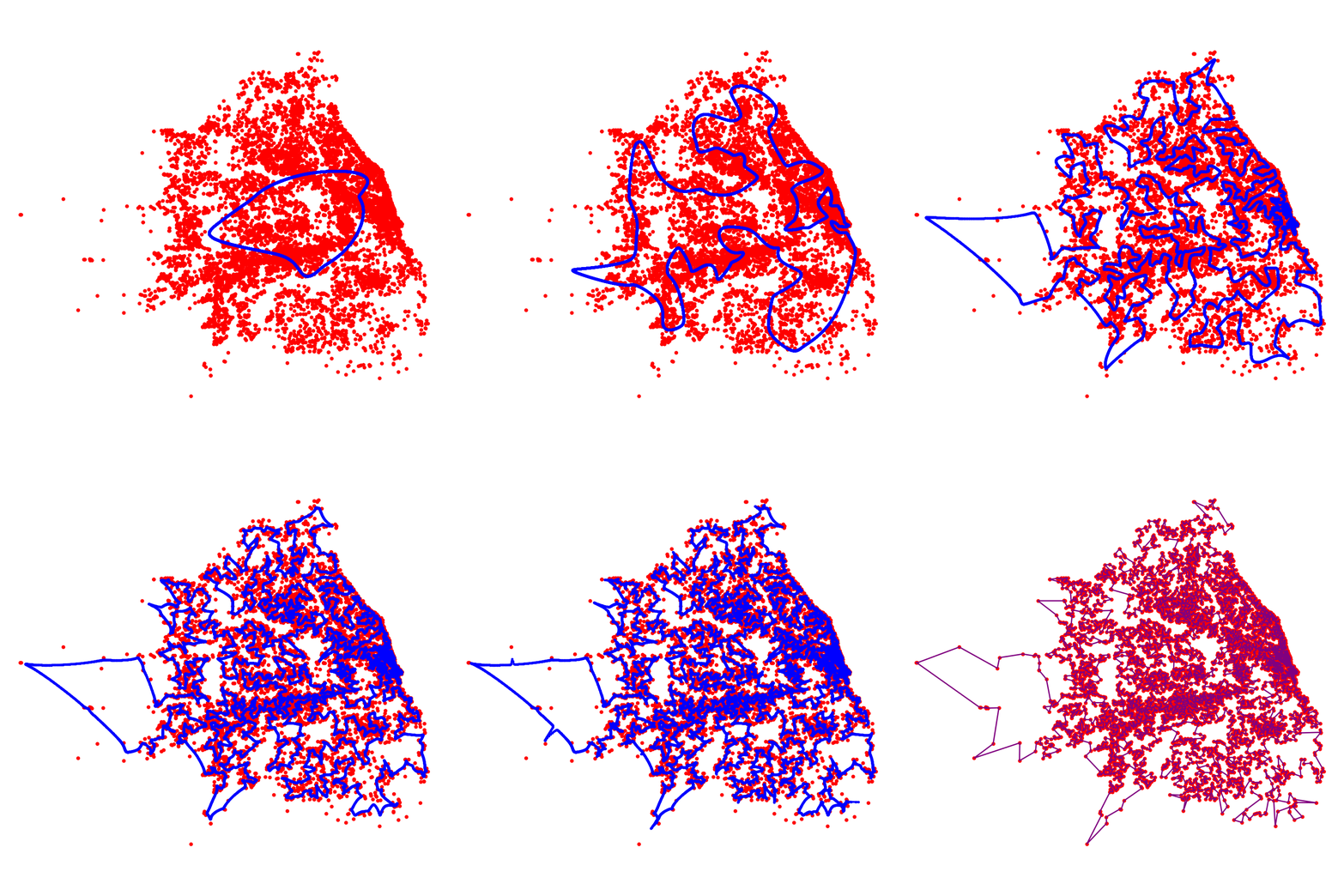
Vehicle Routing Problem
Case Study with OR-Tools
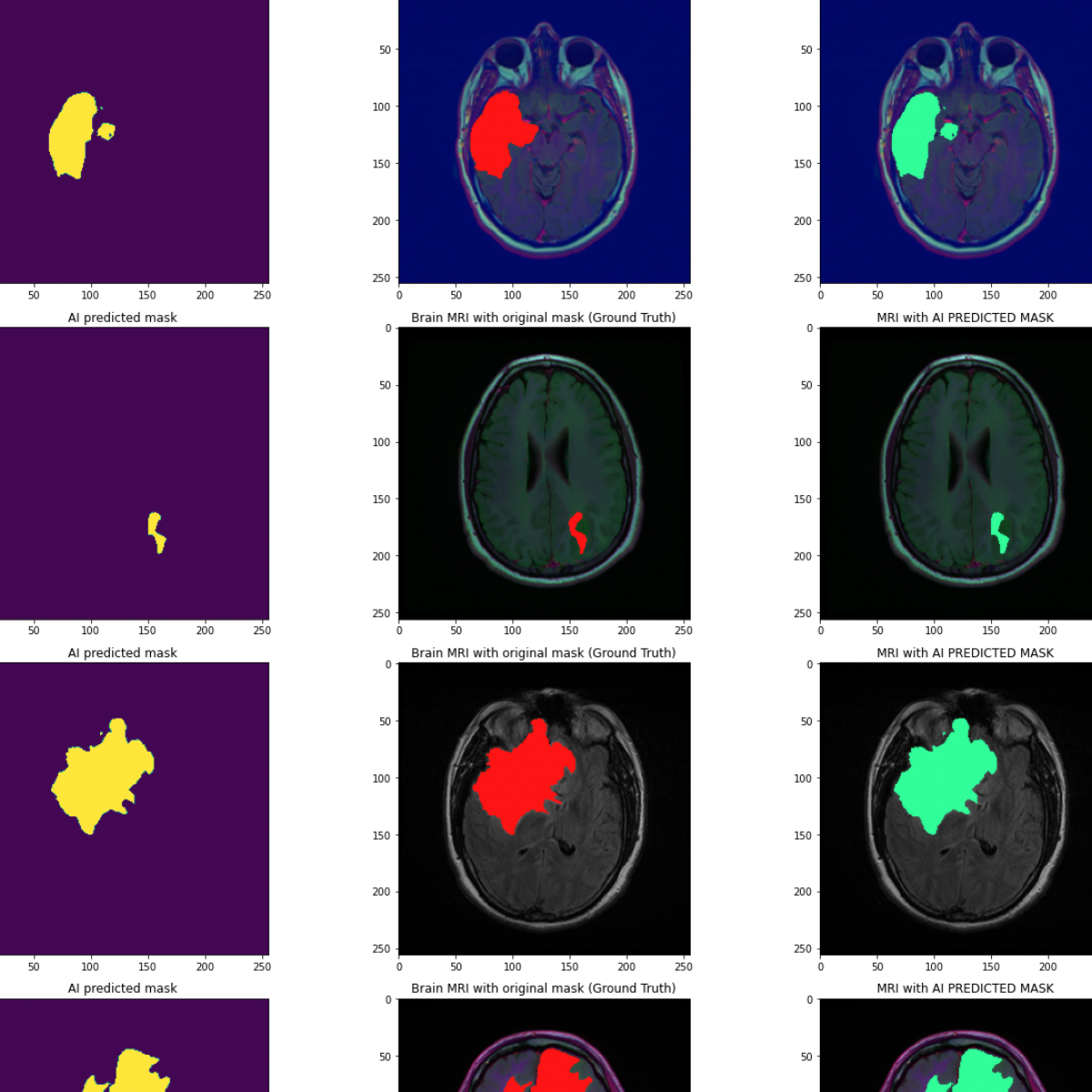
Brain Tumor
Classification with ResUNet
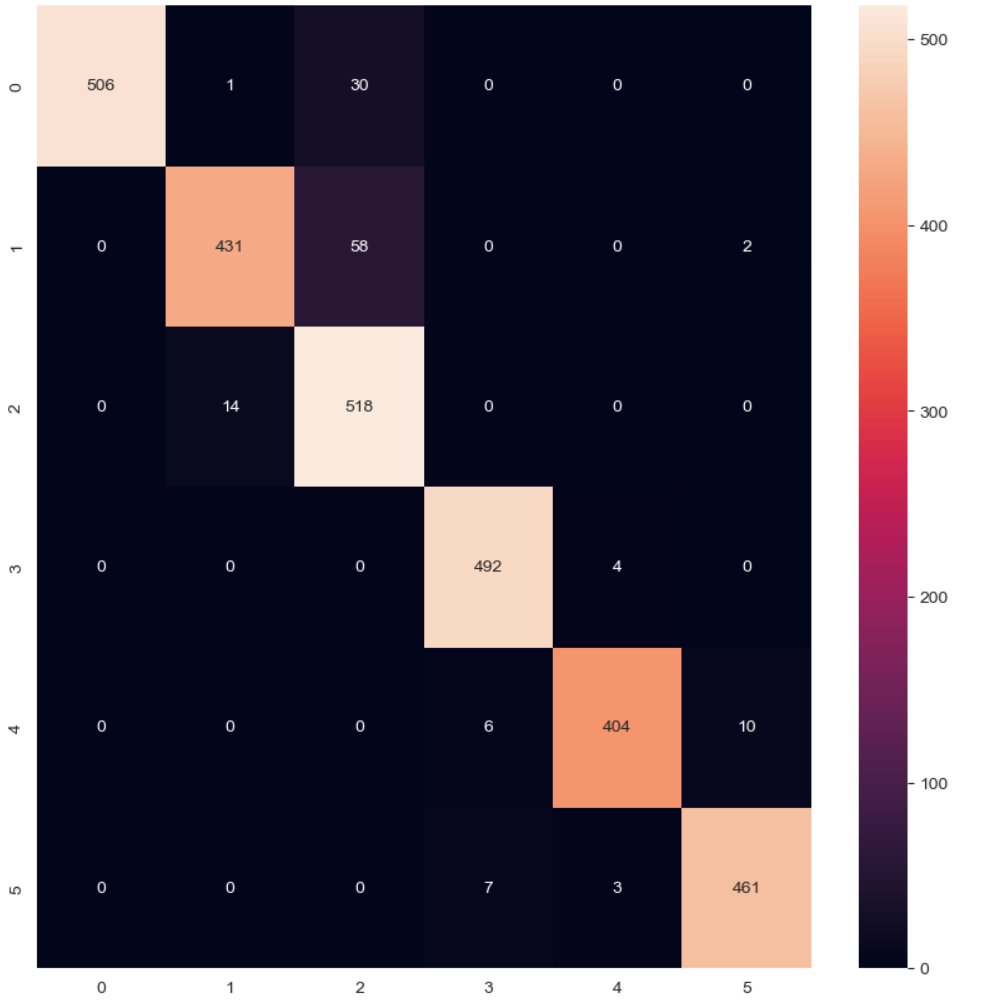
Human Activity
Classification and Prediction
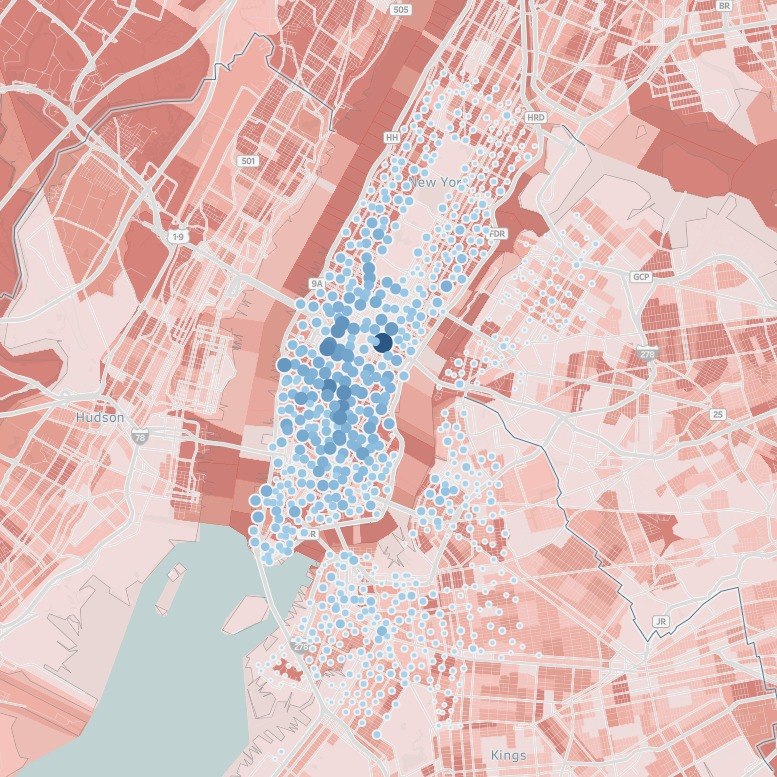
Citibike
EDA and Maintenance Prediction
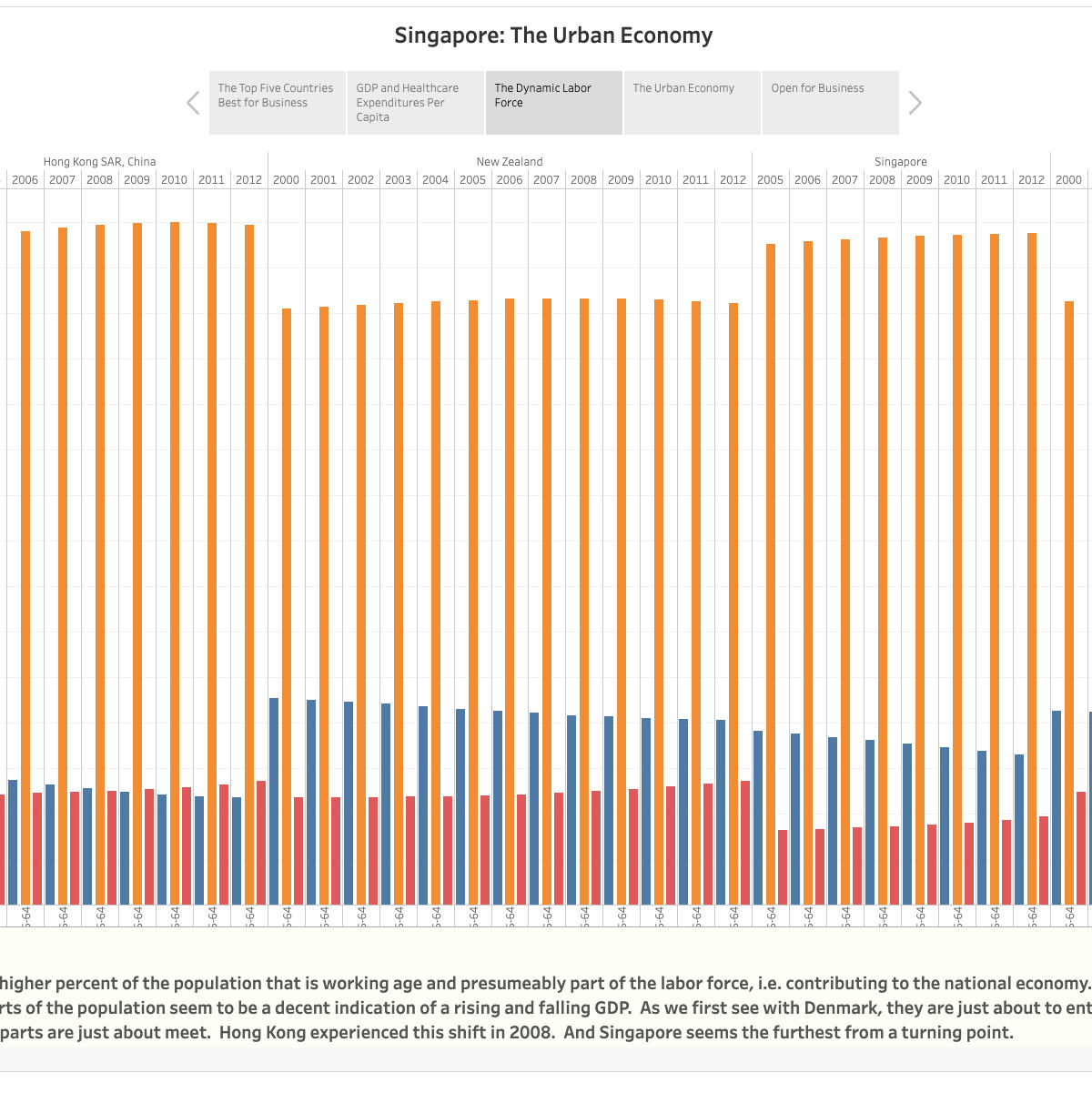
Singapore
GDP and Healthcare Analysis
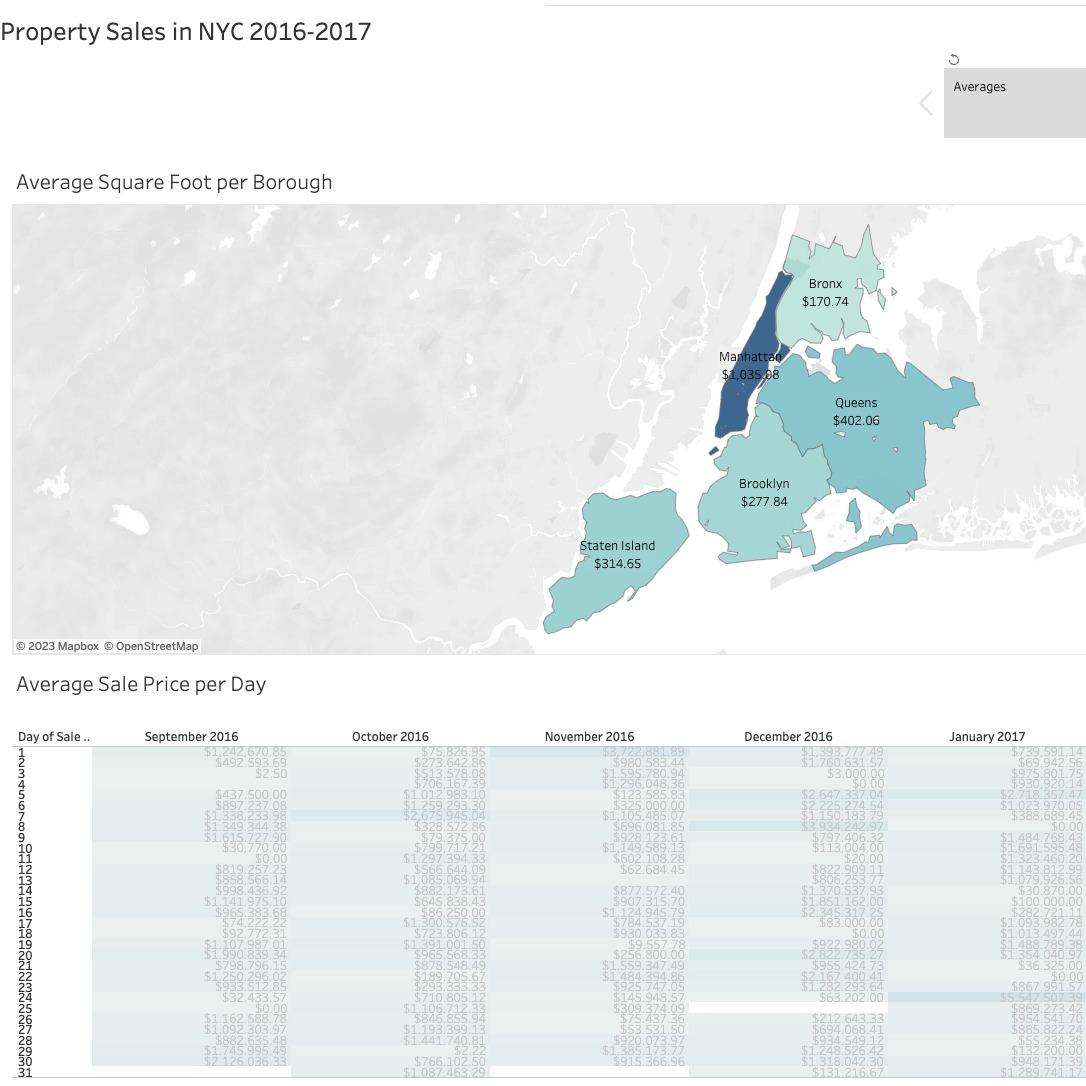
NYC
Property Sales and Investments
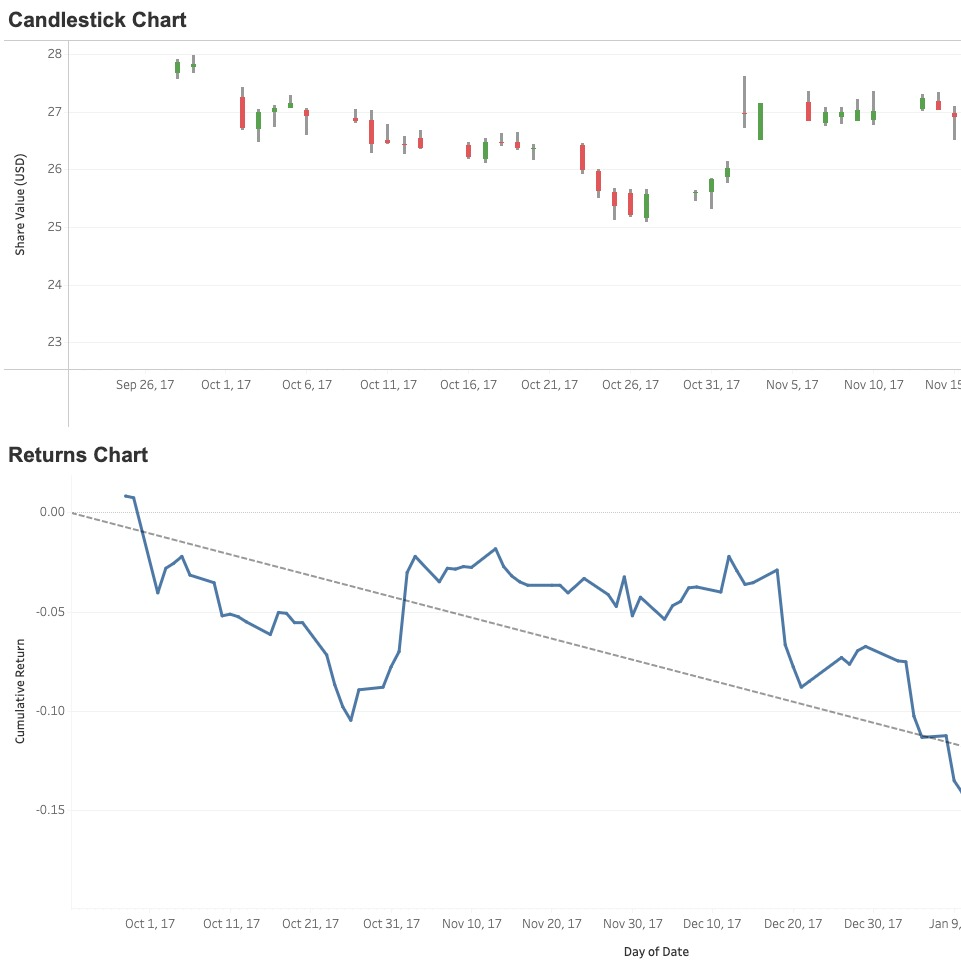
Stock
Dashboard
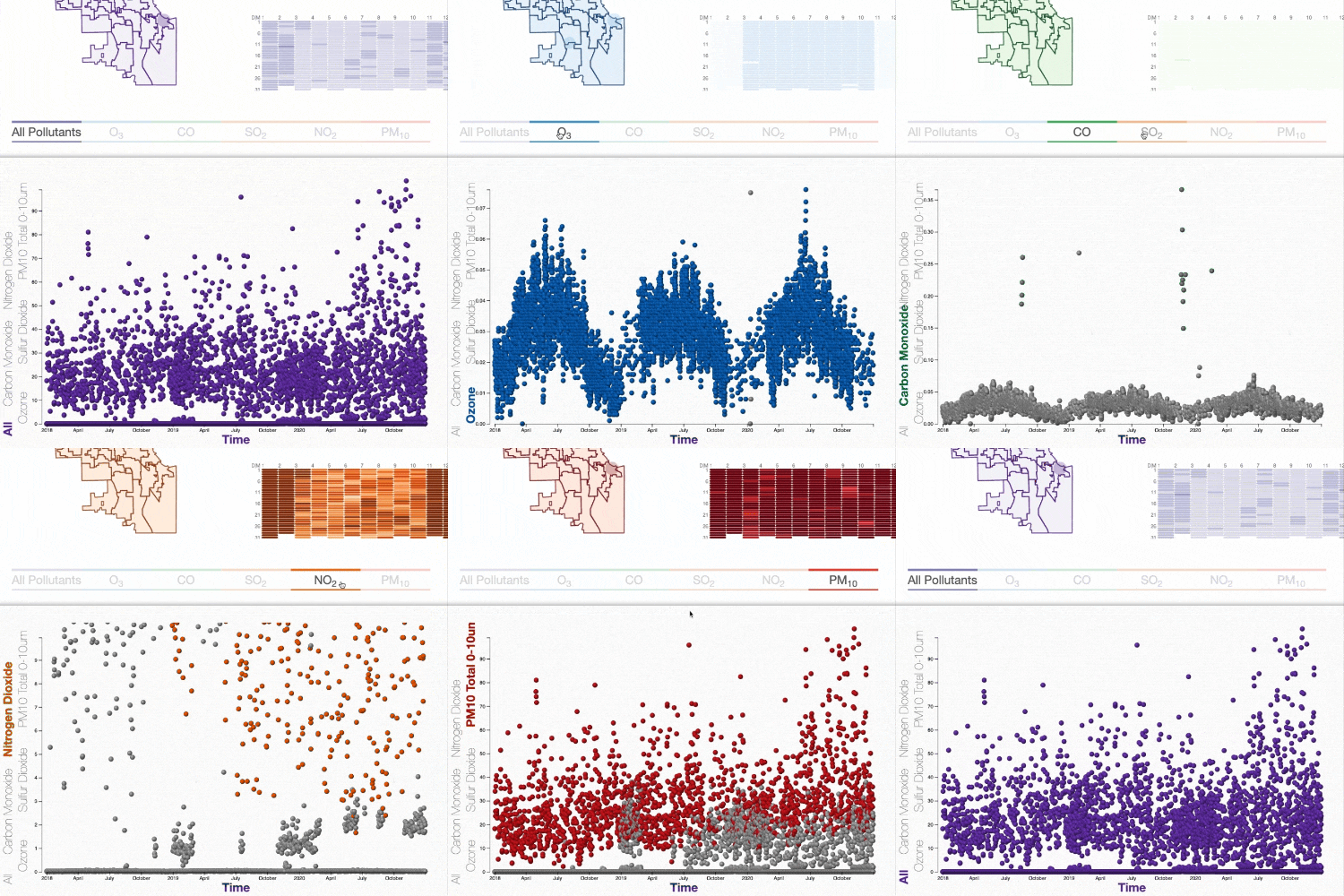
Chicago Air Quality Dashboard
EDA using D3
I build models and explain what they mean. Most of my work starts with messy data and ends with a decision someone has to make: what drives a customer to leave, which loans will default, what demand looks like next quarter. The modeling matters, but so does communicating the result to people who did not build it.
My machine learning work spans deep learning, natural language processing, and computer vision, mostly in PyTorch, TensorFlow, and scikit-learn. I completed Columbia University's postgraduate program in Machine Learning and Artificial Intelligence, and the projects below are where I put that coursework to use on real datasets.
Before moving into data science, I served as Director of Development for a non-profit supporting social and educational justice in India. I have since taught across the fields and courses listed below. I have tutored undergraduate students from the University of Toronto, Simon Fraser University, Purdue University, and the Universities of Illinois, Michigan, North Carolina, and Southern California; taught graduate and post-graduate students from the Massachusetts Institute of Technology, California Institute of Technology, Columbia University, Hong Kong University of Science and Technology, and the Indian Institutes of Technology; and worked collaboratively with professionals from J.P. Morgan Chase and the Walmart Corporation.
data scientist | applied statistics & machine learning
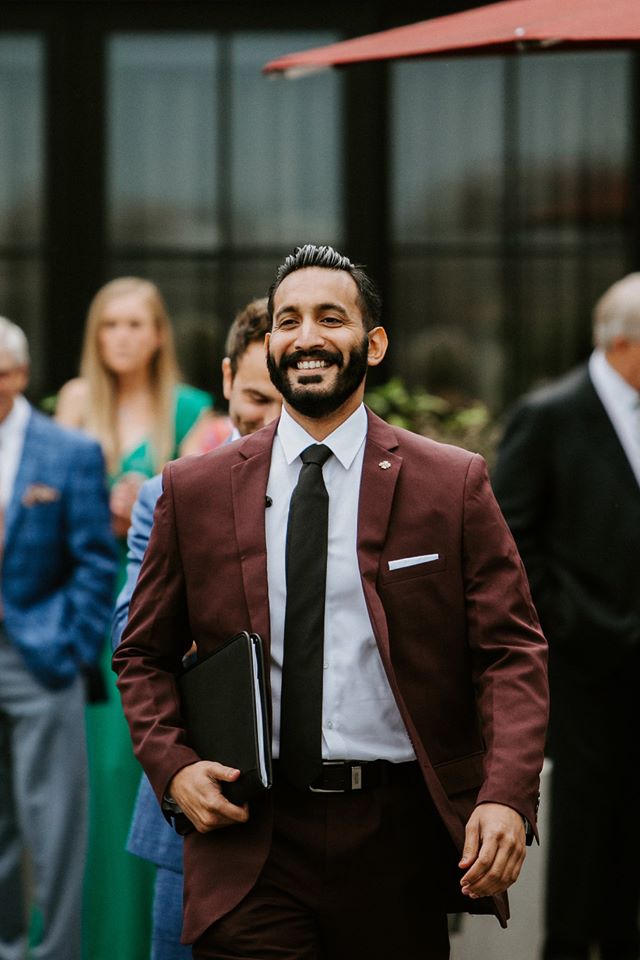
I am a data scientist who prides himself on the principles of perpetual education, humanism, and futurism. As a passionate student of both hard and soft sciences, I believe in an interdisciplinary and interpersonal approach to problem-solving.
My work spans classification, regression, time-series forecasting, natural language processing, and computer vision, using Python, R, PyTorch, TensorFlow, and scikit-learn. I completed Columbia University's postgraduate program in Machine Learning and Artificial Intelligence and am currently finishing a Master of Liberal Arts in Mathematics for Teaching at Harvard Extension School.
Much of what I know about explaining quantitative work came from teaching it. I have taught applied machine learning, statistics, and data engineering to graduate students and working professionals, and AP Statistics to high school students, for whom I designed and deployed a full-stack learning platform with more than thirty interactive statistical simulations. Teaching statistics to people who have to actually use it is the best training I have had in making results legible to the people who need to act on them.
I am looking for roles in data science and quantitative analysis where the work involves both building the model and explaining what it means.